Your first river float doesn’t need to be complicated, but there are a few things that can make the difference between a really good day and a frustrating one. Most of it isn’t obvious until you’re out there, and by then, it’s a little late to figure it out. If you’re getting ready for your first float, here’s five float trip tips you need to know before you go.
Getting In and Out
Your first of the float trip tips: The river day starts way before the river.
You have to think about where you’re getting in, where you’re getting out, and how you’re getting back to your car. That part alone can trip people up. A little planning goes a long way and saves you from ending the day tired, confused, or walking farther than you expected.
Most rivers don’t have one obvious place to start. You’re usually working with access points (specific spots where you can safely get in and out). These might be conservation areas, public access ramps, bridge crossings, or outfitter locations. If you’re not sure where to begin, your state conservation site or a local river guidebook is one of the easiest ways to figure it out. Having something that actually maps access points is worth it, especially if you’re new to a river.
Not every access point is as easy as pulling up and stepping into the water. Some involve a short walk (or sometimes a longer one) down a trail. That trail might be rocky, muddy, uneven, or steeper than you expect. And whatever you carry in at the beginning of the day, you’ll be carrying out at the end when you’re more tired. It’s worth knowing ahead of time what that looks like so you’re not caught off guard.
Distance is the other piece people tend to underestimate. Before you go, take a minute to understand how many miles you’ll be floating and what the river is doing that day. A slower river can mean more paddling and a longer, quieter stretch of time on the water. A faster river might carry you along, but it also means paying more attention and having less control in certain spots. The same stretch of river can feel completely different depending on conditions, so giving yourself extra time is always a good idea.
And then there’s getting back to your car. Most river floats aren’t loops—they’re point-to-point. That means you’ll either need two vehicles, a shuttle, or a plan for pickup at the end. It’s one of the most common things people forget, and it’s not something you want to figure out after you’ve already taken out.
Getting in and out isn’t the most exciting part of a river day, but the work is worth it.

Water levels change everything
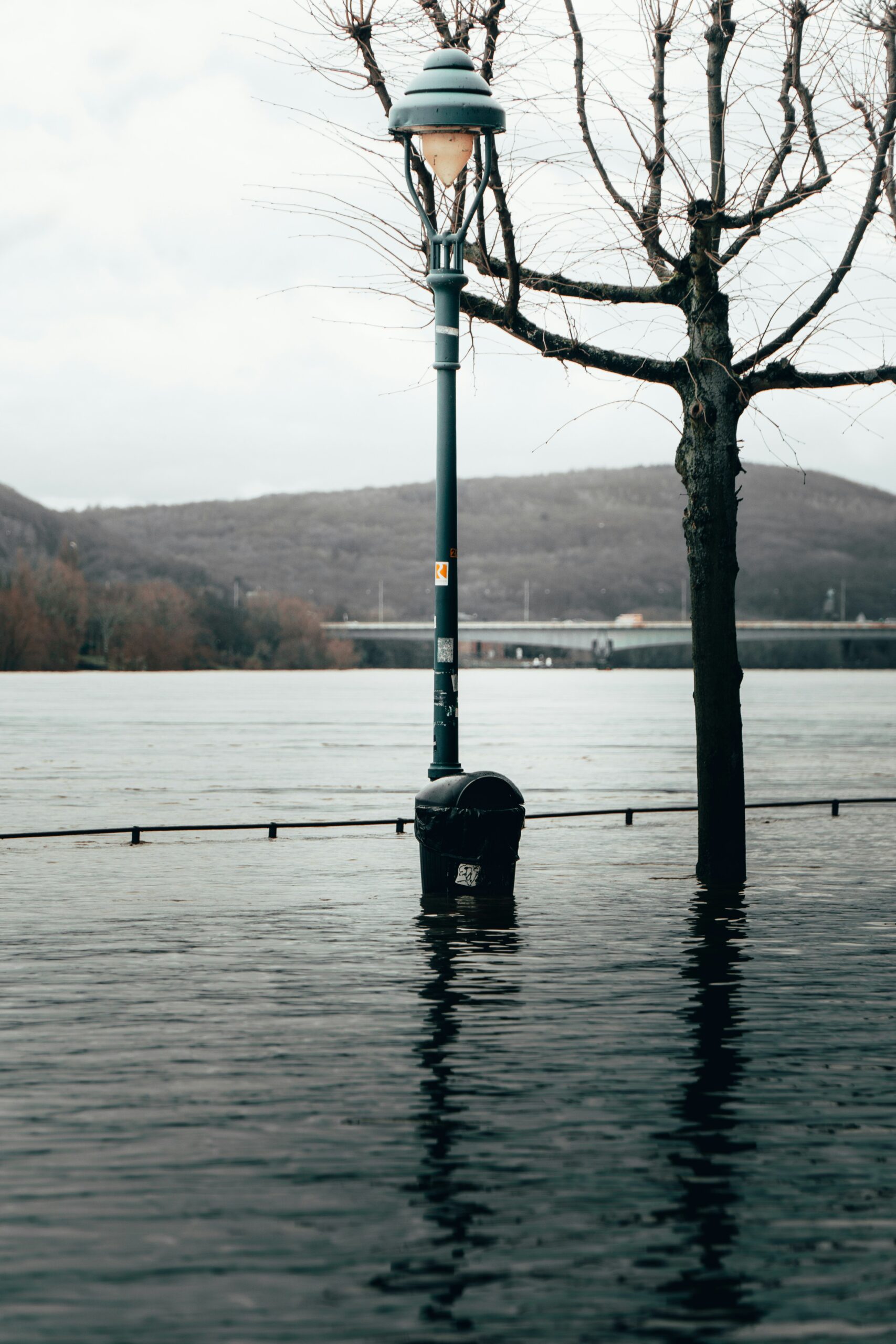
This one is probably the MOST important of all the float trip tips. The same river can feel completely different depending on the water level.
Too high means faster water, less control, and a day that can get away from you quickly. Too low means you’ll be stepping off more than you expect: walking, dragging your board, and navigating around rocks and shallow spots.
It’s the same river, but it won’t feel like it.
Before I go, I always check the river levels online. It’s a quick habit that makes a big difference in knowing what kind of day you’re walking into.
To make it easier, I created a River Data Gauge right here on the Riverfolk Co. site so you can quickly check current conditions without bouncing between multiple sources. It’s become one of my favorite planning tools before a float day.
If your river isn’t included or you want to double-check conditions, most rivers also publish gauge data through the USGS (United States Geological Survey) or state conservation and water resource websites. A quick search for your river name + water level or river gauge will usually point you in the right direction. Local paddling groups and community reports can also add helpful context beyond the numbers.
You don’t need to understand every number right away, but over time, you’ll start to recognize what feels right for you. What matters is noticing trends. Is it higher than normal? Dropping? Has there been recent rain upstream? All of that affects how the river will move.
Checking the level before you go gives you a better sense of what to expect whether it’s going to be a slow, easy float, a more active paddle, or a day where you’ll be navigating around shallow sections.
It’s a small step, but it’s one of the most important things you can do to make your river day go smoothly.
You don’t need as much as you think, but you do need the right things
Overpacking makes everything harder. Underpacking makes everything uncomfortable.
Keep it simple, but don’t skip the basics: plenty of water, something easy to eat, sun protection, a dry bag or box for essentials, and whether you wear it or not, always keep a life jacket on board.
Don’t forget to throw in an extra layer too like a t-shirt, hoodie, towel, or a poncho. Weather changes quickly on the river. A little rain, a breeze, or getting wet late in the day can make things feel a lot colder than you expect.
Lastly, DO bring your phone. It’s easy to think of it as optional, but having a way to call for help or check your location matters. Keep it in a dry bag or box and bring a small solar charger or backup battery just in case. If you start to second guess your get out location or maybe you underestimated the conditions and you feel like you might be able to finish the float you originally planned, then you’ll be glad to have your phone for a lifeline.
So don’t bring everything, but do bring what you need to enjoy the day and remain safe.

The river isn’t a pool
One of the float trip tips to always remember: The river moves. It changes. It has obstacles.
A lot of rivers—especially in the Midwest—aren’t clear, so you won’t always see what’s under you. That’s part of it. You’re not looking at the bottom, you’re learning to read the surface and move with it.
You’ll run into things like branches, shallow spots, and unexpected turns, but there can also be jagged rocks, soft mud, submerged limbs, or even debris like glass or trash in some areas. Most of the time it’s manageable, but you just need to stay aware of it.
This is also why you should not ever dive into a river. You don’t know what’s below the surface, and depth can change quickly from one spot to the next. If you’re getting in or swimming, take it slow and feel it out. Move with intention instead of assuming it’s safe.
None of this is meant to make it feel intimidating—it’s just about understanding what you’re stepping into. The river isn’t something to be afraid of, but it is something to respect a little.
Pay attention. Stay aware. Enjoy it for what it is. That’s more than enough to keep things safe without overthinking it.
Getting home can actually be the hardest part
Lastly, no one really talks about the end of the day. You’re wet. Tired. Maybe a little sunburned. And now you’re standing next to your car, trying to figure out how to get everything and yourself back home without making a mess of it.
A little preparation here makes a big difference.
Bring a towel or a changing poncho so you can dry off or swap into something comfortable. Have a place for your wet gear whether that’s a tote, a bin, or just a designated spot in your car. And if you can, throw down a tarp, seat cover, or even an old blanket to protect your seats. It doesn’t take much to keep things contained.
Also, don’t feel like you have to carry everything at once. At the end of the day, it’s fine to take your time, bring what you can to the car, then go back for the rest if that’s an option. You’ll be more tired than you expect, and there’s no reason to rush it. A little prep beforehand can allow for a smoother transition to the end of your river day and you can stay high on that river day relaxation rush!
Remember these five float trip tips for beginners and you’ll have a great time! Happy floating!