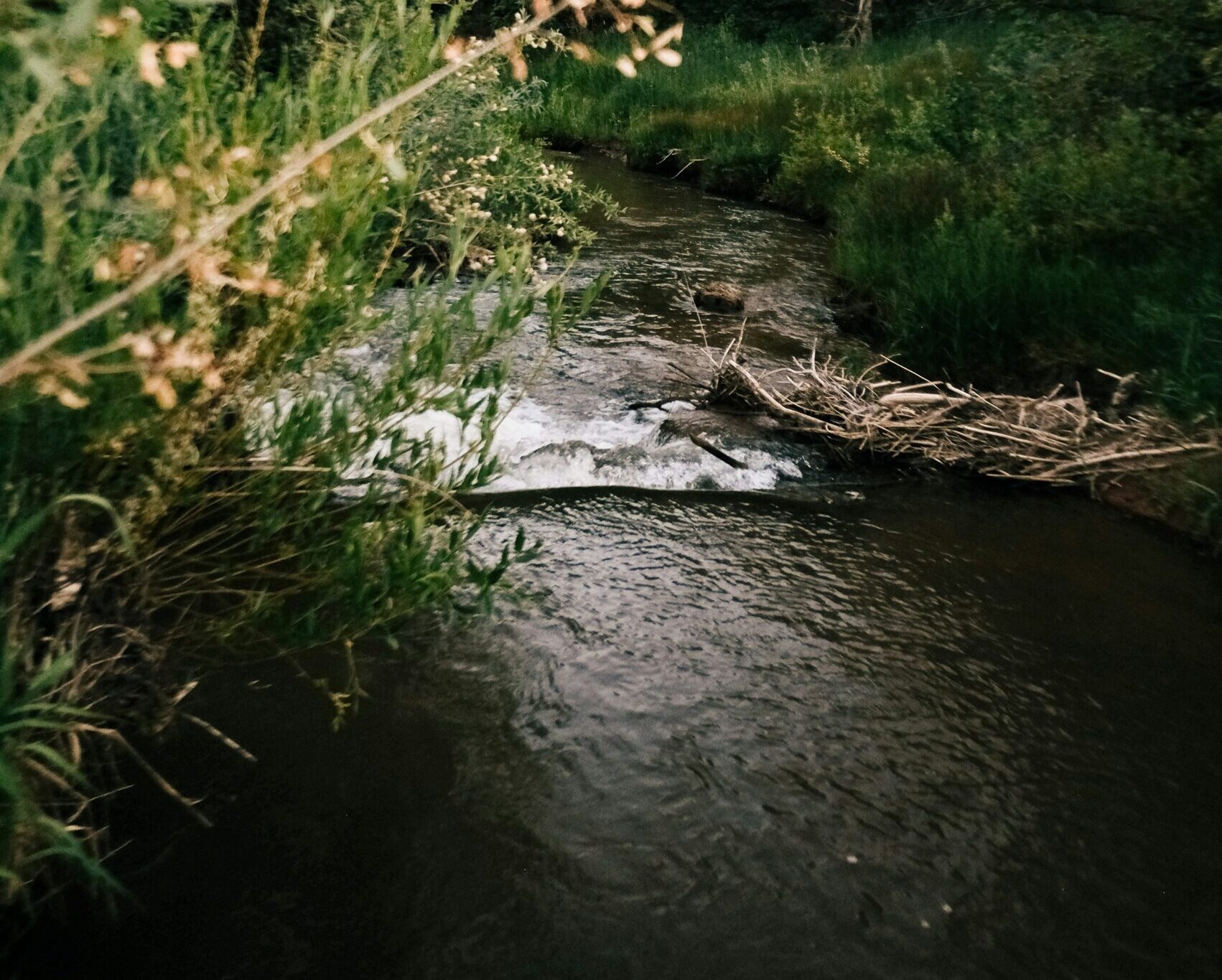
If you live in northern Missouri, you’ve probably crossed the Grand River dozens—if not hundreds—of times. Maybe you’ve fished it, floated it, watched it rise after a heavy rain, or crossed one of its bridges on your way to work. It winds through communities like Pattonsburg, Gallatin, Jameson, Chillicothe, and countless miles of farmland before eventually joining the Missouri River near Brunswick. What most of us don’t realize is that the history of the Grand River has been shaping northern Missouri for centuries, and its story is a lot more interesting than we realize.
The French Called It “La Grande Rivière”
By the early 1700s, French explorers and traders were moving throughout the Missouri River basin.
Historical records show that the Grand River was already known to French explorers, who referred to it as La Grande Rivière, meaning “The Great River” or “The Grand River.”
While historians can’t say with complete certainty why the name was chosen, the most likely explanation is also the simplest: compared to many of the streams and tributaries in the region, it was one of the largest and most important waterways they encountered.
Sometimes a river gets a dramatic story behind its name.
Sometimes people just call a big river a big river.

Home of Missouri’s First Ever European Settlement
The history of the Grand River played a role in one of the biggest milestones in Missouri, and the nation.
In 1723, French explorer Étienne de Bourgmont established Fort Orleans near the mouth of the Grand River, where it joins the Missouri River. The fort is widely considered the first long-term European settlement in what is now Missouri.
It’s something of a mystery though, as now more than 300 years later, historians still aren’t entirely sure where the fort stood. A piece of history still there for us to discover.
The Grand Cannot Be Tamed
If you know the Grand, it’s hard to picture today, but there was a time when people believed the Grand River could become an important transportation route.
In the 1800s, steamboats occasionally navigated portions of the river, carrying passengers and freight between communities.
The problem?
The Grand River has always done what rivers do. Water levels changed constantly. Sandbars shifted. Floods altered channels. During dry periods, boats struggled to move at all.
While the Missouri and Mississippi Rivers became major commercial highways, the Grand River proved much harder to tame. Still, the dream of river travel helped shape many of the communities that grew along its banks.

Where Faith Met the River
One of the most well-known locations along the Grand River is Adam-ondi-Ahman, a historic site near Jameson.
In 1838, Joseph Smith identified the area as Adam-ondi-Ahman, a place that holds special significance in the beliefs of The Church of Jesus Christ of Latter-day Saints. The settlement was established on high ground overlooking a broad bend of the Grand River, where fertile lands stretch across the valley below.
Whether viewed through a historical, religious, or simply geographical lens, it’s easy to see why people were drawn to the location. Standing on the bluffs above the Grand River today, the landscape still feels remarkably untouched.
The Grand is a River That Changed a Town Forever
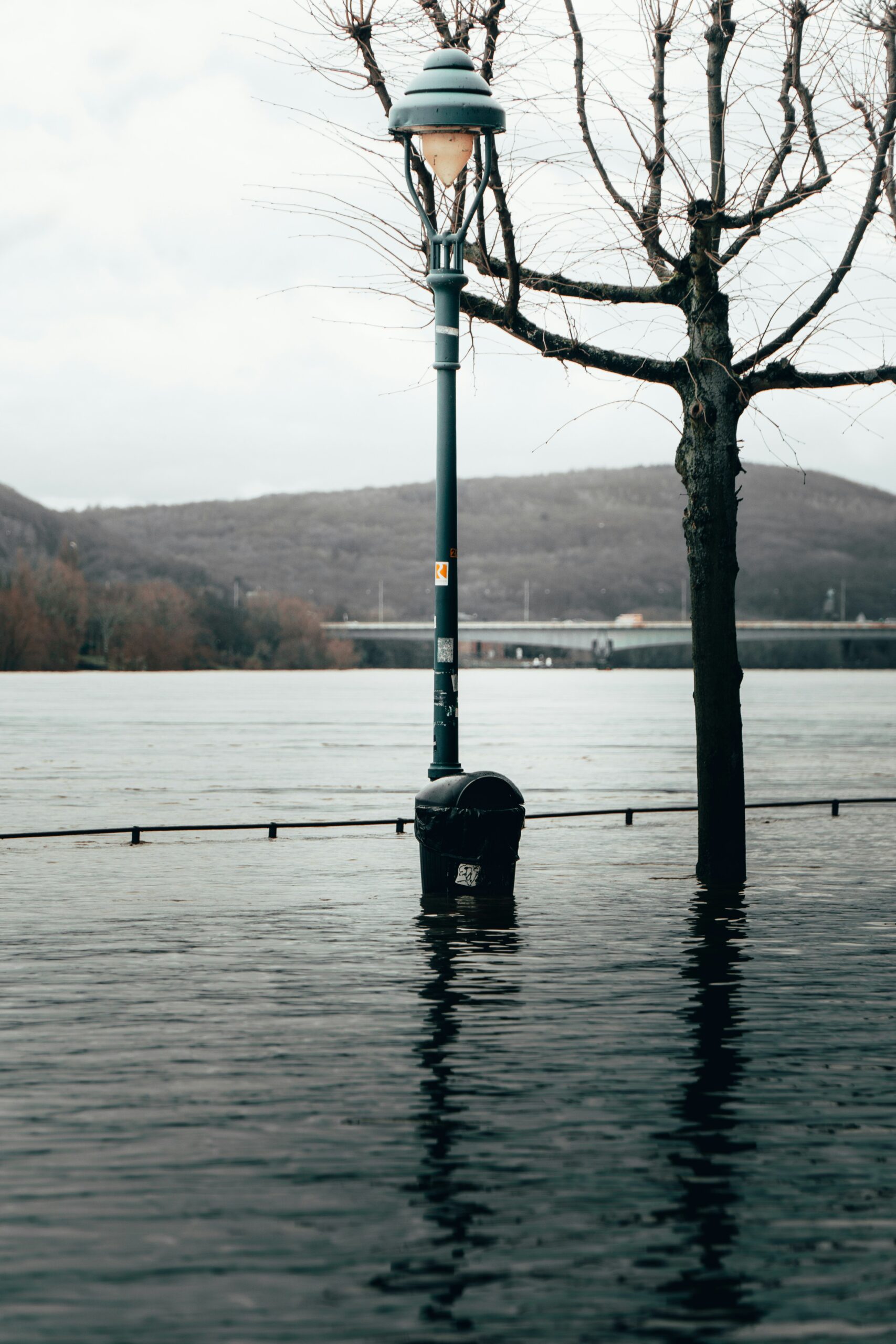
If you grew up in northern Missouri, you’ve probably heard stories about the Great Flood of 1993. The Grand River played a major role in that historic event.
Pattonsburg was one of the communities hardest hit. After repeated flooding, the decision was made to relocate the town to higher ground rather than rebuild in the floodplain.
It’s not every day a town picks up and moves. But that’s exactly what happened.
Today, visitors can still find remnants of Old Pattonsburg… a powerful reminder of the influence rivers continue to have on the communities around them.

A River That Was Never Dammed
For decades, various proposals were made to build a major dam on the Grand River. Some plans moved surprisingly far through the planning process, especially after the 1993 flood. But none were ultimately completed.
As a result, the Grand River remains one of Missouri’s larger rivers without a major main-stem dam.
For paddlers, anglers, wildlife, and conservationists, that’s a pretty significant piece of its story. The river still behaves like a river. It floods, shifts, and changes constantly. And that’s part of what makes it so special, especially in modern times.
Why the Grand River Still Matters
Today, the Grand River watershed covers thousands of square miles across Missouri and Iowa.
It supports wildlife, agriculture, recreation, and countless communities. People still fish its waters. They paddle its stretches. They watch eagles along its banks and keep an eye on river levels after heavy rain.
In many ways, the relationship between people and the Grand River hasn’t changed all that much.
For centuries, the history of the Grand River has been intertwined with the history of northern Missouri itself. The communities may have changed, but the river continues to connect people, shape landscapes, and influence life across the region. And whether you’re crossing a bridge near Gallatin, fishing below Chillicothe, or launching a paddleboard near Pattonsburg, you’re now part of that story too.